


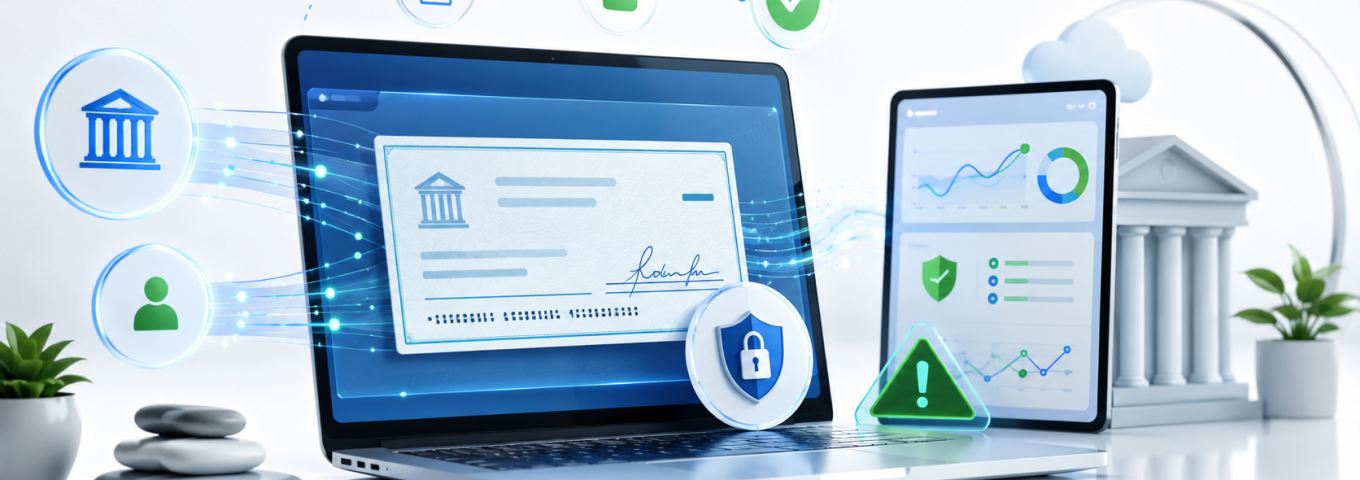

Introduction
Many businesses rely heavily on credit cards, but cards are not always the best option for every payment. High-ticket sales, recurring invoices, B2B payments, subscription billing, and service-based payments may benefit from an additional bank-to-bank payment method. That is where eCheck payment processing can help.
When businesses accept eChecks online, they allow customers to pay directly from a bank account instead of using a credit card. This can be useful for merchants that want more payment flexibility, lower card dependency, backup payment options, or a better fit for larger transactions. For high-risk merchants, eChecks can also support a more stable payment strategy when card processing is limited, expensive, or not enough on its own.
Quick Answer: What Does It Mean to Accept eChecks Online?
To accept eChecks online, a business collects customer authorization to electronically debit funds from the customer’s bank account. The payment is processed through the ACH network, similar to an electronic version of a paper check. Businesses can use eChecks for invoices, recurring payments, high-ticket transactions, B2B payments, subscriptions, and backup payment options. PayingSource helps merchants explore eCheck payment processing options based on business type, risk profile, and payment needs.
What Is an eCheck?
An eCheck, or electronic check, is a digital version of a paper check. Instead of a customer writing and mailing a check, the customer provides bank account details and authorizes the business to collect payment electronically.
An eCheck usually requires:
Customer name
Bank routing number
Bank account number
Payment amount
Authorization from the customer
Payment date or schedule
Merchant payment system
ACH processing support
Once authorized, the payment moves electronically between bank accounts. This is why eChecks are often discussed together with ACH payment processing.
eCheck vs ACH: Are They the Same?
eChecks and ACH are closely related, but they are not exactly the same term.
| Term | Meaning |
|---|---|
| eCheck | An electronic check payment authorized by the customer |
| ACH | The bank-to-bank network that processes many electronic payments |
| ACH Debit | Merchant pulls funds from a customer’s bank account with authorization |
| ACH Credit | Funds are pushed from one bank account to another |
| Same-Day ACH | Faster ACH processing option where available |
In practical merchant payment discussions, eChecks are usually processed through the ACH network.
How eCheck Payment Processing Works
The eCheck process is straightforward, but it must be handled securely and with proper authorization.
Typical process:
Customer chooses eCheck as payment method
Customer enters bank account and routing details
Customer authorizes the payment
Merchant submits payment request
Payment is processed through ACH network
Customer’s bank account is debited
Funds move toward merchant settlement
Payment clears or returns based on bank response
For recurring payments, the customer must authorize the payment schedule clearly before the business collects future payments.
Why Businesses Accept eChecks Online
Businesses accept eChecks online because they offer another payment option beyond cards. This can be especially useful when card processing is expensive, limited, or not ideal for the transaction type.
Common reasons include:
High-ticket payments
Recurring billing
B2B invoices
Monthly service retainers
Subscription payments
Payment plans
Lower card dependency
Backup payment option
Failed card recovery
Invoice-based billing
Customer preference for bank payments
Large order payments
High-risk payment flexibility
For some merchants, eChecks are not a replacement for cards. They are an additional payment rail that supports better payment coverage.
Benefits of Accepting eChecks
Accepting eChecks online can provide several benefits.
1. Useful for High-Ticket Payments
For larger transactions, card fees and card declines can become a problem. eChecks may be useful for businesses that collect larger payments from customers or clients.
Examples include:
Coaching programs
Travel bookings
B2B services
Professional services
High-ticket ecommerce
Membership programs
Large invoices
Installment plans
2. Helpful for Recurring Billing
eChecks can support recurring payments when customers authorize scheduled bank debits. This may be useful for memberships, subscriptions, retainers, and monthly billing.
3. Reduces Card Dependency
If a business relies only on card processing, it may face issues when cards fail, expire, decline, or get restricted. eChecks give businesses another payment option.
4. Supports Invoice-Based Businesses
Many service businesses and B2B companies use invoices instead of checkout pages. eChecks can fit naturally into invoice payment workflows.
5. Useful as a Backup Payment Method
High-risk merchants may use eChecks as a backup option when card processing is not enough or when they want to diversify payment acceptance.
Risks of Accepting eChecks Online
eChecks can be helpful, but they are not risk-free. Merchants should understand the possible issues before setup.
Common risks include:
Insufficient funds returns
Invalid bank account details
Unauthorized debit claims
Customer disputes
Payment delays
Bank account verification issues
Return fees
Fraudulent account information
Revoked authorization
Higher return ratios
Settlement timing delays
Businesses should monitor eCheck returns carefully because high return rates can affect account stability.
eCheck Returns vs Card Chargebacks
eCheck payments do not work exactly like card payments. Instead of card chargebacks, eChecks may have returns or disputes.
| Issue | eCheck Payment | Card Payment |
|---|---|---|
| Common dispute type | ACH return or unauthorized debit claim | Chargeback |
| Payment source | Bank account | Credit or debit card |
| Failure reason | Insufficient funds, invalid account, unauthorized debit | Fraud, product dispute, non-recognition |
| Processing speed | May take longer to clear | Usually faster authorization |
| Customer authorization | Bank debit authorization required | Card authorization required |
| Risk monitoring | Return ratio matters | Chargeback ratio matters |
Both payment methods require clear authorization and good recordkeeping.
What Businesses Should Use eChecks?
eChecks can fit many business types, especially when payments are larger, recurring, or invoice-based.
Good fit examples include:
B2B service providers
High-ticket coaching programs
Travel agencies
Subscription businesses
Membership platforms
Credit repair companies
Professional services
Consultants
Invoice-based companies
High-volume merchants
Online course businesses
Bad credit merchants
ACH-friendly high-risk merchants
Monthly retainer businesses
For fast ecommerce checkout, cards may still be more convenient. For larger or recurring payments, eChecks may be a strong addition.
How to Set Up eCheck Payment Processing
To accept eChecks online, businesses need a provider that supports eCheck or ACH payment processing.
Setup usually involves:
Apply for eCheck payment processing
Submit business and owner documents
Provide bank account details
Explain products or services
Share expected payment volume
Describe billing model
Set up authorization process
Connect payment gateway or invoice tool
Test payment flow
Begin accepting eChecks
For high-risk merchants, underwriting may be more detailed.
Documents Needed for eCheck Approval
A provider may ask for documents before approving eCheck processing.
Common documents include:
Business registration
Owner government-issued ID
EIN or tax information
Business bank account details
Recent bank statements
Processing history, if available
Website URL
Product or service description
Refund policy
Privacy policy
Terms and conditions
ACH or eCheck authorization process
Expected monthly eCheck volume
Average transaction amount
Return history, if available
Complete documentation can reduce delays and improve approval quality.
eCheck Authorization Requirements
Authorization is one of the most important parts of accepting eChecks. A business should be able to prove that the customer agreed to the payment.
Authorization should clearly include:
Customer name
Payment amount
Bank account authorization
Payment date
Recurring schedule, if applicable
Business name
Cancellation process
Refund terms
Customer agreement record
Support contact details
For recurring eCheck payments, customers should know how often they will be billed and how to cancel.
eCheck Payment Processing Fees and Costs
eCheck payment processing fees can vary by provider, business type, volume, transaction size, and risk profile. Some businesses may find eChecks cost-effective for large payments, while others may pay more based on risk.
Possible costs include:
eCheck transaction fees
Monthly account fees
Setup fees, depending on provider
Return fees
Unauthorized return fees
Gateway fees
Bank verification fees
Same-day processing fees, if available
Batch fees
Risk monitoring fees
High-risk underwriting fees, if applicable
Merchants should request a full pricing breakdown before starting.
eChecks vs Credit Cards: Which Is Better?
Neither option is always better. The right choice depends on the business model.
| Business Need | Better Fit |
|---|---|
| Fast ecommerce checkout | Credit cards |
| High-ticket invoices | eChecks |
| Recurring retainers | eChecks or cards |
| Subscription checkout | Both |
| B2B payments | eChecks |
| Retail checkout | Cards |
| Backup payment method | eChecks |
| Customer convenience | Cards |
| Lower card dependency | eChecks |
| High-risk payment flexibility | Both |
Many businesses benefit from offering both cards and eChecks.
How eChecks Help High-Risk Merchants
High-risk merchants may use eChecks to strengthen their payment setup. This can be useful when card processing is expensive, restricted, or unstable.
High-risk eCheck use cases include:
Backup payment option after card declines
Large invoice payments
Subscription billing
Installment plans
Travel booking payments
Coaching program payments
Credit repair service payments
B2B billing
High-volume payment diversification
Card processing supplement
eChecks can help high-risk merchants avoid relying on one payment channel.
Common Mistakes When Accepting eChecks
Avoid these common mistakes:
Collecting payment without clear authorization
Not explaining recurring billing terms
Ignoring return rates
Not verifying bank details
Making cancellation difficult
Not keeping customer records
Not sending confirmation emails
Using unclear billing descriptions
Choosing only based on low fees
Not confirming high-risk support
Not monitoring unauthorized returns
Not preparing documents before applying
These mistakes can create payment disputes and account issues.
How to Reduce eCheck Payment Risk
Merchants can reduce eCheck risk with clear processes.
Helpful steps include:
Get written or digital authorization
Use bank account verification where available
Send payment confirmation emails
Explain recurring terms clearly
Make cancellation easy
Keep authorization records
Monitor return rates
Use fraud screening
Respond quickly to payment questions
Use clear billing descriptors
Provide visible customer support
Track unauthorized return reasons
Strong payment operations can make eCheck processing more stable.
eCheck Setup Checklist
Before accepting eChecks online, review this checklist:
Business documents are ready
Business bank account is active
Website policies are complete
Refund policy is visible
Terms and conditions are visible
Authorization process is clear
Recurring billing terms are clear
Customer support contact is visible
Expected volume is realistic
Average transaction size is known
Return monitoring process is ready
Payment confirmation emails are prepared
Gateway or invoice tool is selected
High-risk support is confirmed if needed
This checklist helps reduce setup delays and risk.
How PayingSource Can Help
PayingSource helps merchants explore eCheck payment processing, ACH payment options, high-risk merchant accounts, payment gateways, virtual terminals, and backup payment methods. For businesses that need to accept eChecks online, PayingSource can help review the business model, payment risk, approval requirements, and setup options.
PayingSource can support merchants with:
eCheck payment processing guidance
ACH payment processing options
High-risk merchant account support
Online payment processing
Payment gateway support
Virtual terminal options
Recurring billing support guidance
High-volume processing support
Application preparation
Chargeback and return risk guidance
Merchant service support
If your business needs more than card payments, PayingSource can help you explore eCheck and ACH processing options.
FAQs
What is an eCheck?
An eCheck is an electronic version of a paper check. It allows a business to collect payment from a customer’s bank account with authorization, usually through the ACH network.
How do businesses accept eChecks online?
Businesses accept eChecks online by using a payment provider that supports eCheck or ACH processing. The customer provides bank details and authorizes the payment electronically.
Are eChecks the same as ACH payments?
eChecks are typically processed through the ACH network. ACH is the network used for electronic bank transfers, while eCheck describes the digital check-style payment method.
Are eChecks safe for businesses?
eChecks can be safe when merchants use proper authorization, secure payment tools, bank verification, return monitoring, and clear billing communication. Like any payment method, they still carry risk.
Can high-risk businesses accept eChecks?
Yes, some high-risk businesses may be able to accept eChecks depending on their industry, return risk, bank statements, billing model, and underwriting approval.
Do eChecks have chargebacks?
eChecks do not have card chargebacks in the same way, but they can still be returned or disputed. Common return reasons include insufficient funds, invalid account details, or unauthorized debit claims.
How can PayingSource help with eCheck processing?
PayingSource can help merchants review eCheck and ACH payment processing options, prepare applications, understand return risk, and explore merchant account and payment gateway solutions.
Conclusion
Accepting eChecks online can give businesses more payment flexibility, especially when credit cards are not enough. eChecks can support high-ticket payments, recurring billing, B2B invoices, service retainers, subscriptions, and backup payment strategies.
The key is proper setup. Businesses should collect clear authorization, monitor returns, keep strong records, explain billing terms, and work with a provider that supports their business model.
Need to accept eChecks online? Apply with PayingSource today to explore eCheck, ACH, merchant account, and payment gateway options for your business.
Leave a Comments