


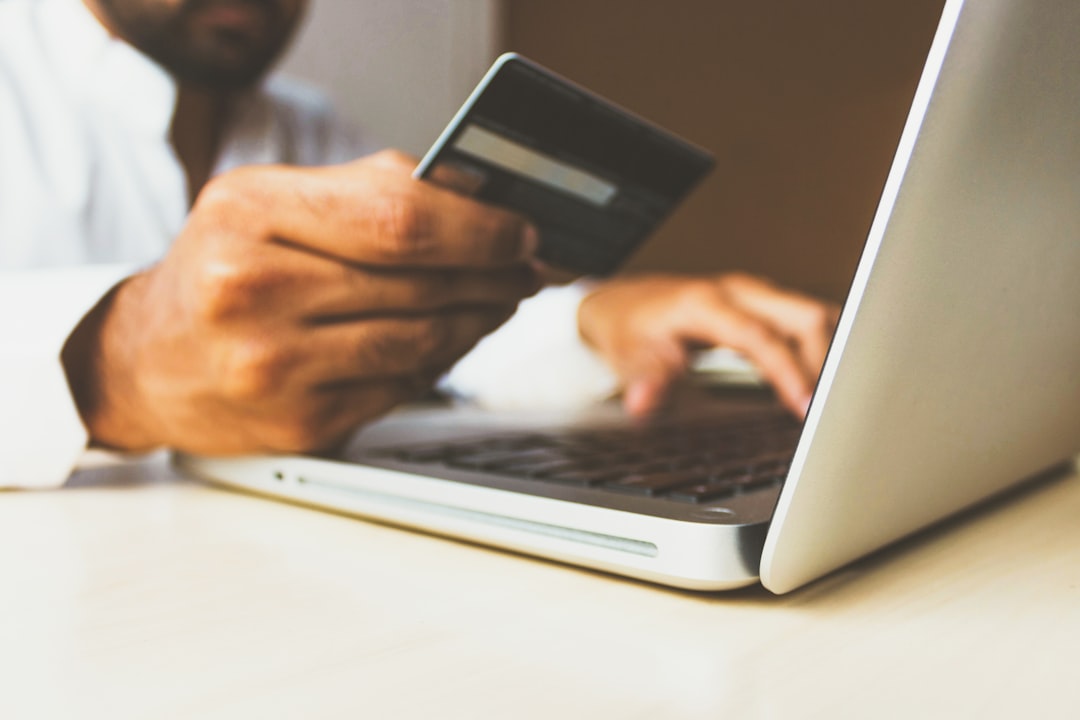
How to Build Customer Trust Before Asking for Payment Online

Customers do not only pay because they want a product or service. They pay because they trust the business enough to enter payment details. If a website looks unclear, policies are hidden, pricing changes suddenly, checkout feels insecure, or customer support is hard to find, the customer may abandon the purchase.
Online payment trust matters for ecommerce stores, service businesses, healthcare providers, digital sellers, subscription businesses, high-ticket merchants, and high-risk industries. A secure payment system is important, but the customer also needs to feel confident before reaching checkout.
This guide explains how merchants can build trust before asking customers to pay online.
Quick Answer: How Can Merchants Build Trust Before Online Payment?
Merchants can build trust before online payment by using secure HTTPS pages, clear pricing, visible refund and privacy policies, accurate product descriptions, recognizable business details, customer support contact information, secure payment gateway, automatic receipts, delivery timelines, billing descriptor clarity, and transparent subscription or cancellation terms. Trust improves checkout confidence and can reduce abandoned carts and payment disputes.
Why Payment Trust Matters
Trust affects whether customers complete checkout. Even interested buyers may leave if they feel uncertain.
Low trust can lead to:
- Cart abandonment
- Payment hesitation
- Support questions
- Refund requests
- Chargebacks
- Lower conversion rates
- Poor customer experience
- Failed sales from paid traffic
- Reduced repeat purchases
Trust should be built before the customer reaches the payment form.
Use Secure HTTPS Pages
A secure website is the foundation of online payment trust. Customers expect payment pages to load over HTTPS.
Check:
- Does every checkout page use HTTPS?
- Does the whole website redirect securely?
- Are there browser security warnings?
- Are payment forms secure on mobile?
- Does the payment gateway use secure hosted pages?
A checkout that looks unsafe will lose customers quickly. Reviewing a payment gateway security checklist can help merchants confirm these basics are covered before traffic increases.
Show Clear Pricing Early
Customers dislike surprise charges. Pricing should be clear before payment.
Display:
- Product or service price
- Shipping cost
- Tax
- Setup fee
- Subscription price
- Recurring billing amount
- Deposit amount
- Discounts
- Total due
- Payment schedule
Hidden costs can cause abandonment and disputes. Many of the most common checkout mistakes that reduce conversions trace back to pricing that only becomes clear at the very last step.
Make Refund Policies Visible
A visible refund policy helps customers feel safer before buying.
The policy should explain:
- Refund eligibility
- Refund timelines
- Non-refundable items
- Return requirements
- Cancellation rules
- Subscription refund terms
- Support contact
A clear policy can reduce chargebacks because customers know how to contact the merchant first, which supports stronger chargeback management over time.
Add Customer Support Details
Customers want to know help is available if something goes wrong.
Provide:
- Support email
- Phone number where appropriate
- Contact form
- Live chat where practical
- FAQ page
- Order tracking page
- Response time expectations
Visible support makes the business feel more legitimate.
Use Accurate Product or Service Descriptions
Trust breaks when the delivered product does not match expectations.
Descriptions should include:
- What is included
- What is not included
- Pricing details
- Delivery timeline
- Service scope
- Product specifications
- Limitations
- Subscription terms
- Usage rules
Clear descriptions reduce refund requests and disputes.
Clarify Subscription Terms
For recurring billing, customers should understand exactly what they are agreeing to.
Show:
- Billing frequency
- Renewal amount
- Renewal date
- Trial conversion date
- Cancellation method
- Refund rules
- Support contact
Subscription trust depends on transparency, especially for businesses relying on recurring payment processing to keep customers billed correctly month after month.
Use Recognizable Billing Descriptors
A customer may trust the checkout but later dispute the charge if the billing descriptor is unfamiliar.
Merchants should:
- Use a recognizable descriptor
- Mention it in receipts
- Train support staff to explain it
- Keep it consistent with the website name
Descriptor clarity helps reduce “unknown charge” disputes.
Send Receipts Immediately
Receipts confirm that payment was successful and explain what happens next.
Receipts should include:
- Business name
- Payment amount
- Order number
- Product or service purchased
- Date
- Delivery or access details
- Support contact
- Refund policy link
- Billing descriptor
Receipts build confidence after payment.
Trust Checklist Before Online Payment
| Area | What to Review |
|---|---|
| Security | Is checkout HTTPS and secure? |
| Pricing | Are all costs visible? |
| Policies | Are refund and privacy policies easy to find? |
| Support | Can customers contact the business? |
| Product details | Are descriptions accurate? |
| Delivery | Are timelines clear? |
| Subscription | Are recurring terms explained? |
| Descriptor | Will customers recognize the charge? |
| Gateway | Is the payment page professional? |
| Receipts | Are confirmations sent immediately? |
Common Trust Mistakes
Avoid:
- Hidden fees
- Missing refund policy
- No contact information
- Unclear delivery timelines
- Unprofessional checkout pages
- Broken payment pages
- Aggressive claims
- Vague product descriptions
- Confusing subscription terms
- No order confirmation
- Unrecognizable billing descriptor
- Too many checkout redirects
Trust issues often become payment issues.
How PayingSource Can Help
PayingSource helps merchants review secure payment processing, online payment setup, payment gateways, merchant account options, virtual terminals, ACH/eCheck, high-risk processing, and chargeback management needs.
For merchants that want to improve payment confidence, the right payment setup and clear customer communication both matter.
FAQs
Why do customers hesitate before online payment?
Customers may hesitate because of unclear pricing, hidden policies, weak support details, insecure checkout pages, unfamiliar payment forms, or lack of trust.
How can merchants make online checkout more trustworthy?
Merchants can use secure checkout pages, clear pricing, visible policies, customer support details, accurate descriptions, receipts, and recognizable billing descriptors.
Does a refund policy improve trust?
Yes. A visible refund policy helps customers understand their options and may reduce disputes.
Why is HTTPS important for payments?
HTTPS helps protect the connection between the customer and website, making checkout feel safer and more professional.
Can trust reduce chargebacks?
Yes. Clear policies, receipts, descriptors, support, and accurate product details can reduce confusion-based chargebacks.
Should subscription terms appear before payment?
Yes. Subscription pricing, billing frequency, renewal date, cancellation method, and refund rules should be visible before payment.
How can PayingSource help with secure payments?
PayingSource can help merchants review secure payment processing, gateways, merchant accounts, ACH/eCheck, virtual terminals, and high-risk payment options.
Conclusion
Customer trust is a major part of online payment success. A secure gateway matters, but so do clear pricing, visible policies, support details, accurate descriptions, receipts, delivery timelines, and transparent subscription terms.
The more confident customers feel before payment, the more likely they are to complete checkout and avoid disputes later.
Need a better online payment setup? Apply with PayingSource today to explore secure payment processing, payment gateway, merchant account, ACH/eCheck, virtual terminal, and high-risk payment options.